

Your therapist’s new bestie might be an AI, and we need to talk about it.
The digital revolution isn’t just about getting your groceries delivered by a robot or watching a new show on Netflix. It’s sliding right into the most intimate, vulnerable corners of our lives, and now it’s knocking on the door of the one space where we’re supposed to feel safest: the therapy session.
You’ve probably seen the headlines. Stories are swirling about therapists quietly—or not so quietly—using tools like ChatGPT to assist with their work. The question isn’t if it’s happening, but how it’s happening, and what it means for the sacred trust between you and your mental health professional. The tea is piping hot, so let’s pour a cup and get into it.
The Elephant in the Zoom Room: Why Are They Doing This?
First, let’s look at it from their side. The therapy industry is not immune to the pressures of modern life. Therapists are overworked, underpaid, and drowning in paperwork. Picture this: a full day of emotionally taxing sessions, followed by hours of writing up detailed clinical notes, treatment plans, and progress reports. It’s exhausting just thinking about it.
This is where AI swoops in like a hero in a brightly lit superhero movie. From the research I’ve done, therapists are leveraging AI for a bunch of very un-sexy, but very practical, reasons. According to articles on platforms like Psychology Today and SimplePractice, some of the most common uses are:
- Administrative Heavy Lifting: Generating insurance reports, creating treatment plan templates, summarizing client histories for referrals, and even drafting intake questionnaires. Essentially, it’s the ultimate digital intern for the mundane stuff.
- A “Second Opinion” in the Background: Some therapists use AI as a brainstorming partner. For example, they might input a case study (anonymized, we hope!) and ask for a fresh perspective or suggestions for new therapeutic techniques. Think of it as a virtual consultant that’s available 24/7.
- Session Prep: AI can help a therapist find relevant articles, research a specific disorder, or suggest reflective questions to ask a client between sessions. It’s a way to quickly get information without having to spend hours digging through academic journals.
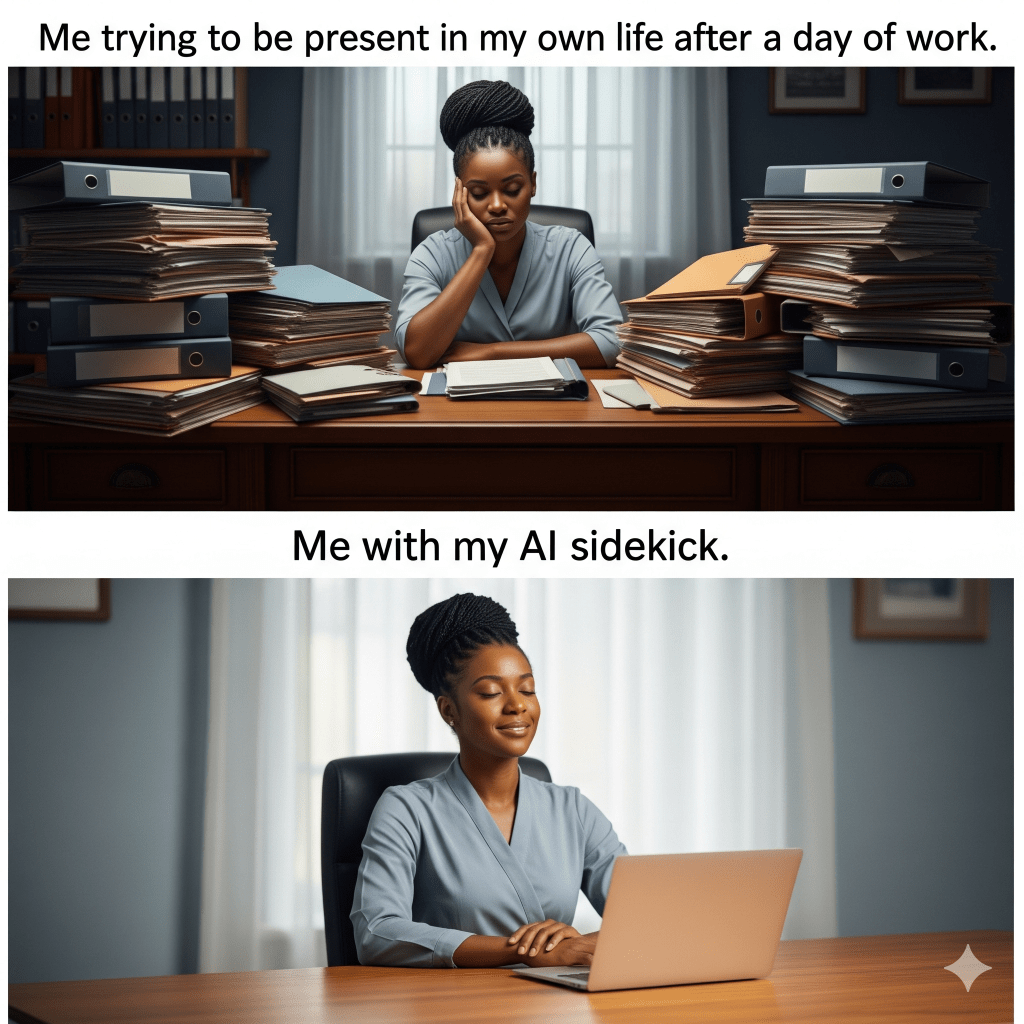
So, for them, it’s about efficiency, fighting burnout, and freeing up time to actually be present with clients. When you see it from that angle, it almost makes sense. Almost.
Why We’re Triggered
Now, let’s talk about us. The clients. The ones paying good money for a human connection, a safe space, and a trusted confidante.
The moment you hear your therapist might be using a soulless algorithm to help them understand you, a trigger goes off. And it’s a valid one. This isn’t just about a tool; it’s about the very foundation of the therapeutic relationship: trust, confidentiality, and genuine human empathy.
Here’s why this is a whole different ballgame:
- Privacy and Confidentiality is the Core: We share our deepest, darkest secrets with our therapists. We talk about family trauma, romantic relationships, career failures, and things we’d never tell anyone else. When that sensitive, private data is fed into a third-party AI system—even an anonymized one—it feels like a betrayal. The big question is: where does that data go? Who owns it? And can it be breached? According to the American Psychological Association and other experts, these are not just paranoid fears. Data security is one of the most pressing ethical concerns.
- It Undermines the Human Connection: Therapy is built on a human-to-human bond. It’s about more than just data points. It’s about the silent pause that says “I get it,” the shared glance that acknowledges pain, and the subtle shifts in tone that an AI simply cannot register. As one therapist put it, “Real therapy involves noticing tone, pauses, silences, and shifts in emotion. These things AI can’t do.” (Source: The Economic Times) We pay for that human touch, that warmth, that attunement. When an AI is in the mix, it cheapens the experience and makes us question if the therapist is truly present.
- The “Secret” Part Is the Biggest Problem: The user-provided source highlights that this is being done secretly. That’s the real kicker. It’s not about the tool itself, but the lack of transparency. An ethical therapist should be upfront about any tools they use that could impact the client’s data or the therapeutic process. They should get our informed consent. If they don’t, it feels shady, and it’s a direct violation of the trust we have in them.
This isn’t just a hypothetical problem. Many people are already turning to AI chatbots for mental health support themselves, citing convenience and a “less judgmental” interface. The CEO of OpenAI has even advised against using their bot as a replacement for therapy, noting that conversations are not legally protected. This is a serious red flag and shows even the creators understand the risks.
So, What’s The Verdict?
So where does that leave us? As brilliant, intelligent women, we understand that technology is a tool. A hammer can build a house or break a window. AI in therapy is the same. It’s not inherently evil, but its use—and especially its secret use—is a serious ethical minefield.
The conversation needs to shift from “Are therapists using ChatGPT?” to “How are therapists ethically integrating AI into their practice with transparency?”
My Millennial mind believes the future of therapy probably involves some form of AI, but not like this. Not in secret. It has to be a collaborative process, with the client fully aware and in control of their data and their treatment. It’s about human connection, not human replacement.
If you’re concerned, ask your therapist. Seriously. Bring it up in your next session. Ask them point-blank about their use of AI tools. Their response will tell you everything you need to know about their commitment to transparency and your trust. Remember, this is your journey, and you have the right to a therapist who is truly invested in you—not their paperwork.





 Fierce Millenial
Leave a reply to Meet the Revenge Quitters: Why Walking Out Loud Is the New Career Power Move – Fierce Millenial Cancel reply